
Project Overview
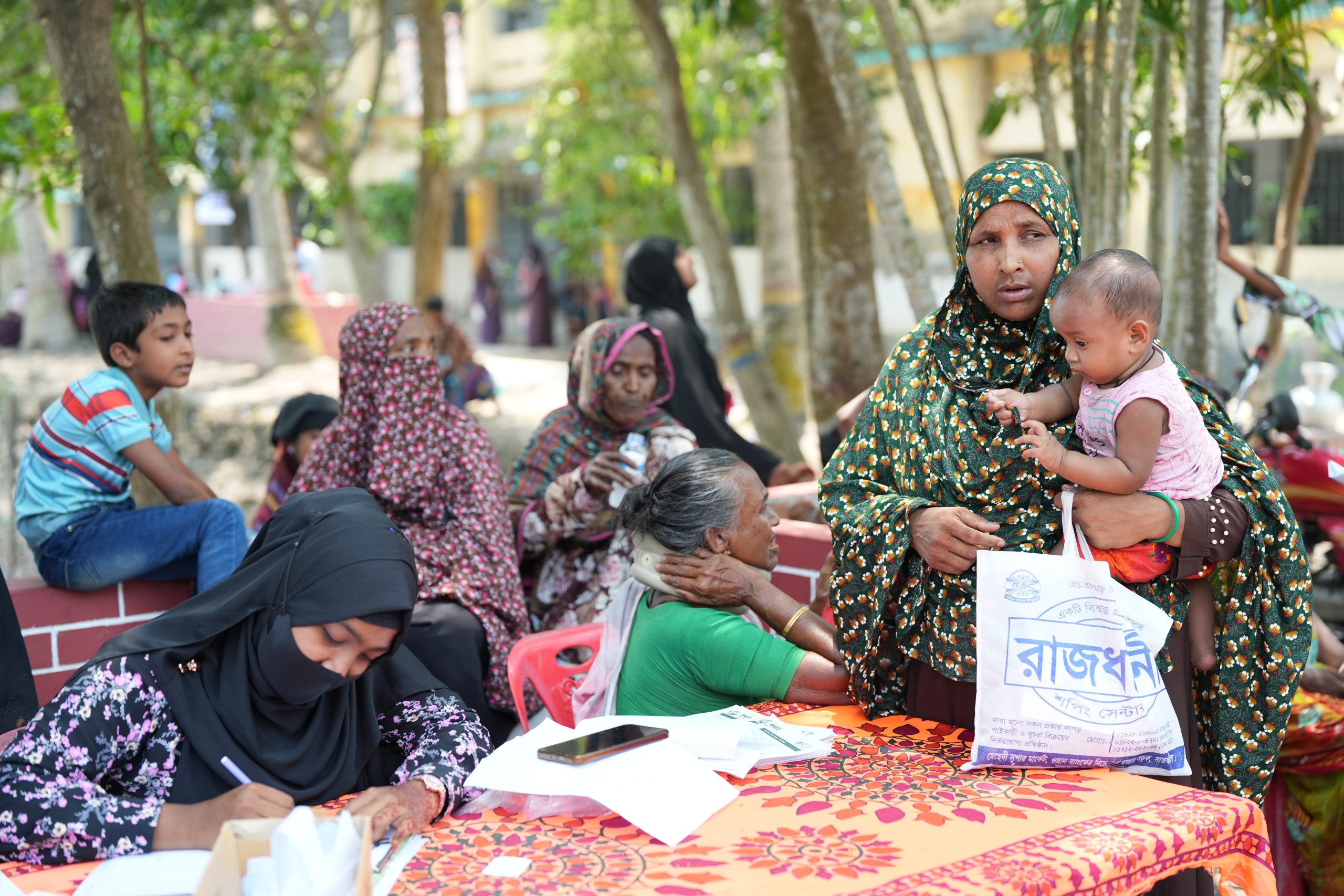
Across many underserved regions of Bangladesh, vulnerable women and unemployed youth face persistent barriers to income, skills, and economic participation. Limited access to training, resources, and market opportunities continues to reinforce cycles of poverty and dependency.
The Peace Foundation Livelihood Initiative aims to break this cycle by equipping marginalized communities with practical skills, income opportunities, and sustainable pathways to self-reliance—transforming beneficiaries into contributors to the local economy.
Why This Project Matters
- Structural poverty continues to affect vulnerable populations
- Women remain excluded from formal economic systems
- Youth unemployment limits long-term development
- Bangladesh has untapped potential in green and sustainable production sectors
This project is designed not just as aid—but as a long-term economic solution.
Project Objectives
Overall Goal
To empower marginalized communities through sustainable livelihood opportunities, enabling long-term economic independence.
Key Objectives
- Provide market-relevant skills training
- Enable income generation through social enterprise
- Increase women’s economic participation
- Support unemployed youth with employable skills
- Promote environmentally sustainable production practices
- Build community-level economic resilience
- Establish a scalable and replicable livelihood model
Target Beneficiaries
- Vulnerable women (including widows and single mothers)
- Unemployed youth
- Economically marginalized households
Selection Criteria Includes:
- Low-income status
- Lack of employment opportunities
- High vulnerability or dependency
Project Design & Approach
The project will be implemented in three structured phases:
Phase 1: Training Centre Setup
Establishing a fully equipped, accessible training facility for participants.
Phase 2: Skills Development (NEEDS-Based Curriculum)
Participants will receive hands-on training in income-generating skills aligned with market demand.
Phase 3: Social Enterprise Model
Graduates will transition into a community-driven business model, enabling them to earn sustainably.
Environmental Vision
This initiative integrates a green economy approach, focusing on:
- Sustainable materials usage
- Low-carbon production practices
- Circular economy principles
- Environmentally responsible business models
Expected Impact
Direct Outcomes
- Skilled individuals ready for employment or entrepreneurship
- Increased household income among beneficiaries
- Strengthened community-level economic activity
Long-Term Impact
- Reduced dependency on aid
- Sustainable livelihood ecosystems
- Replicable model for future expansion
Implementation Timeline
A structured 12-month implementation plan ensures:
- Efficient rollout
- Continuous monitoring
- Measurable progress at every stage
Budget Summary
- Total Project Cost: BDT 6,760,050 (~USD 55,411)
- Includes training, operational costs, staffing, and program delivery
- 10% allocated for administrative and monitoring support
Monitoring & Evaluation
Peace Foundation ensures accountability through:
- Defined KPIs with measurable targets
- Regular progress tracking and reporting
- Financial transparency and audit compliance
- Impact documentation and verification
Alignment with Global Development Goals
This project contributes to key global priorities including:
- Poverty Reduction
- Gender Equality
- Decent Work & Economic Growth
- Sustainable Production
- Climate Responsibility
Donor Value Proposition
Why Partner With Peace Foundation?
- Transparent and accountable implementation
- Direct impact on vulnerable communities
- Sustainable, long-term development approach
- Strong monitoring and reporting system
- Opportunity to support a scalable social enterprise model
